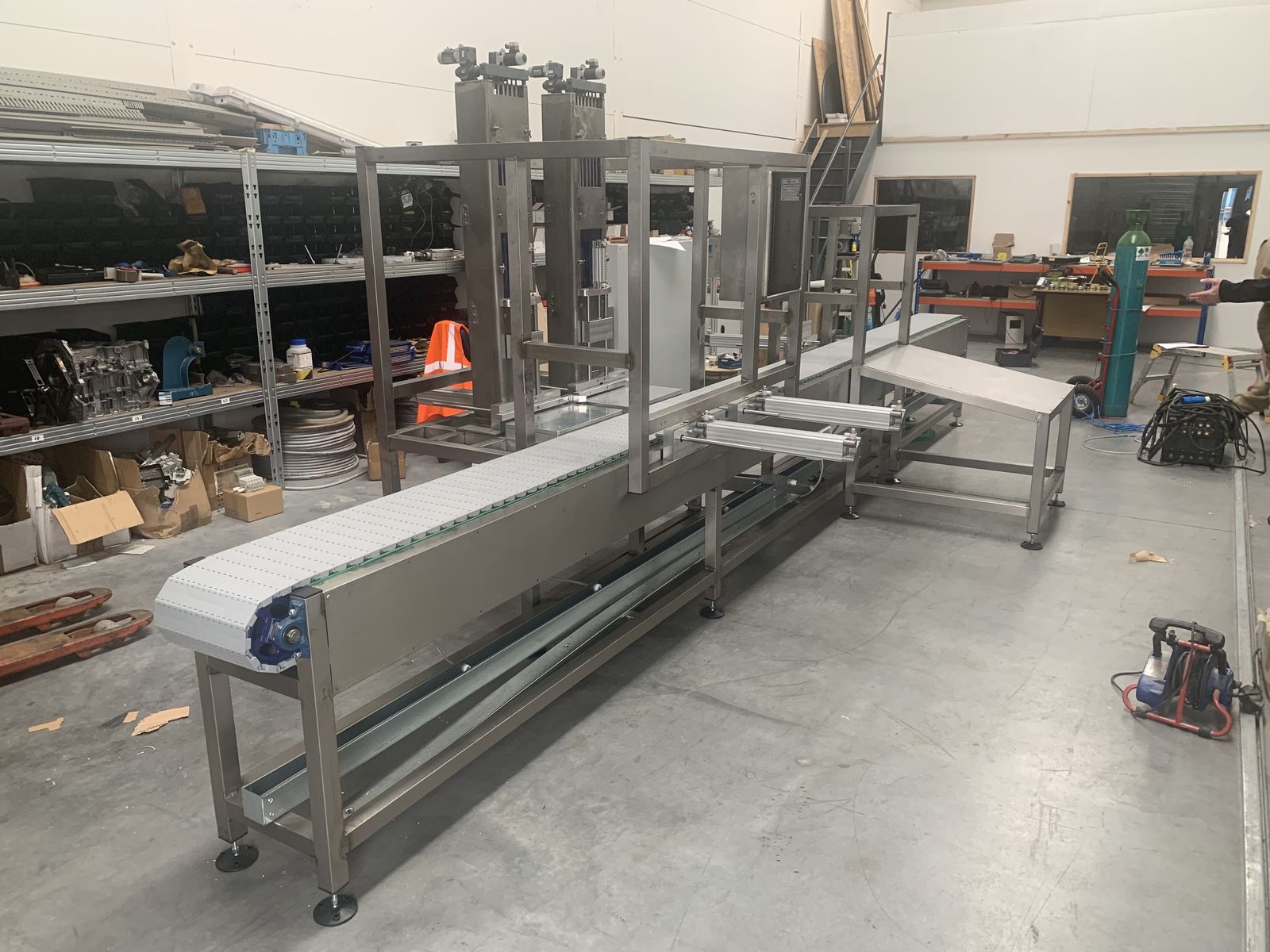
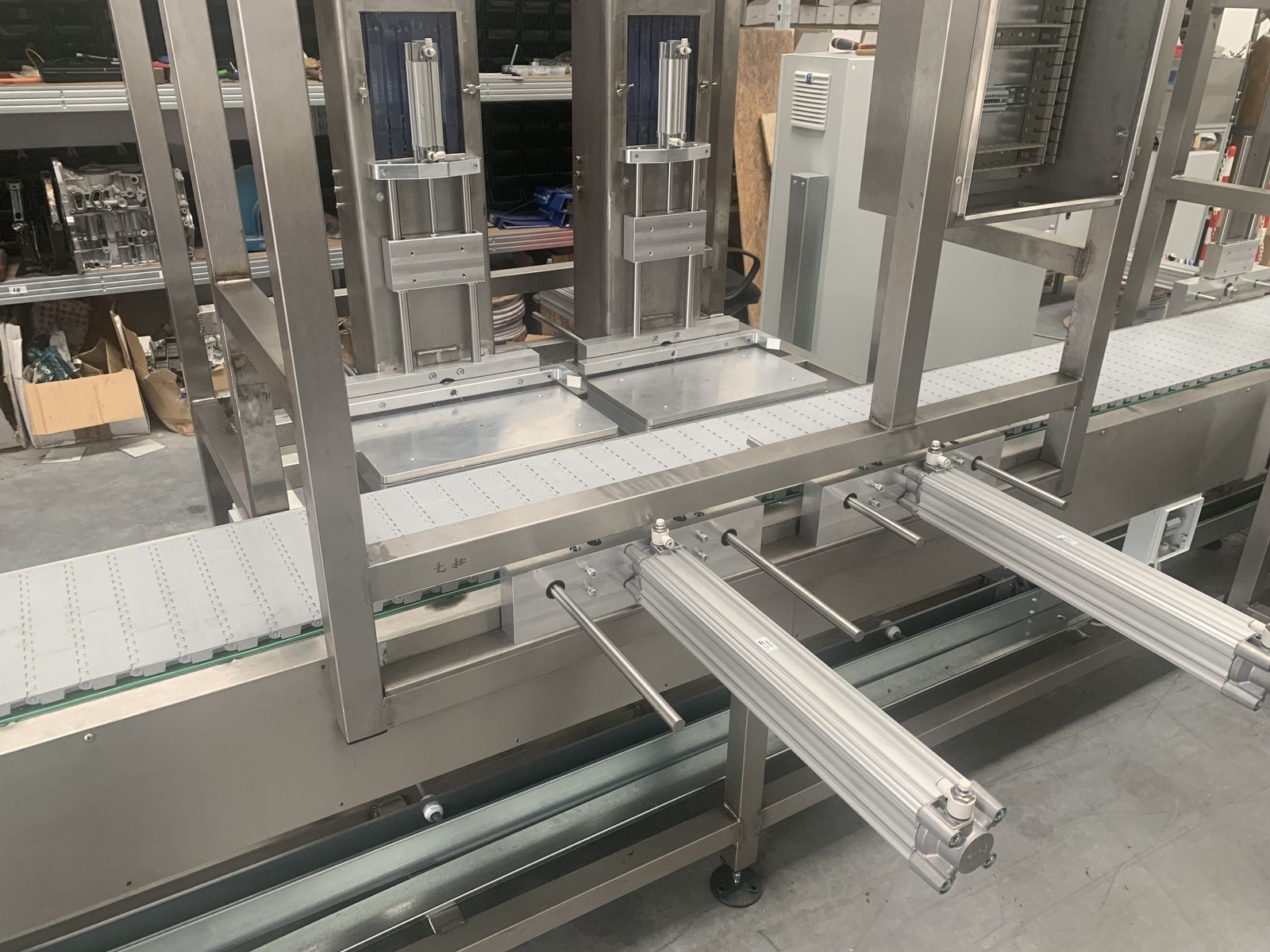
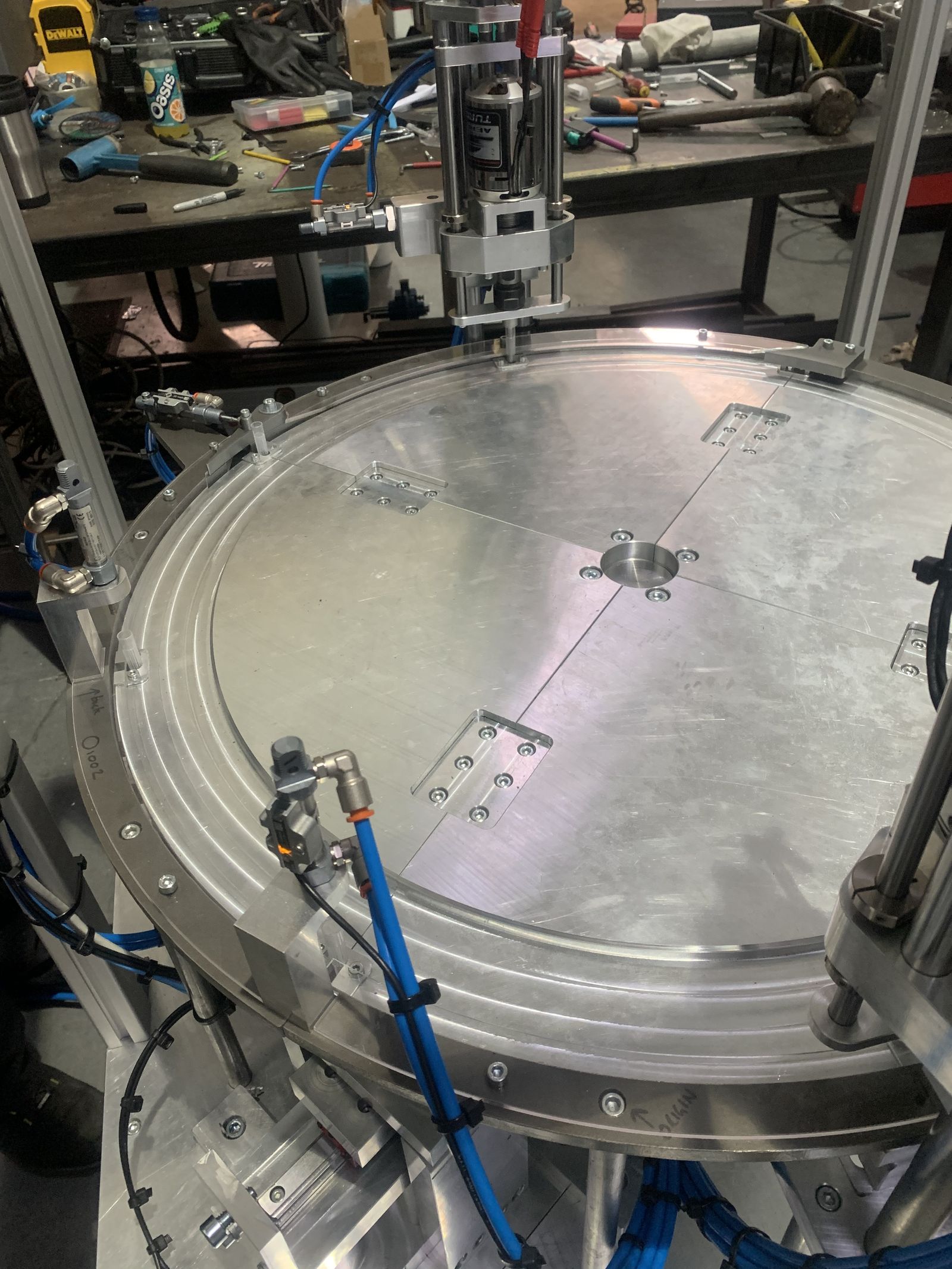
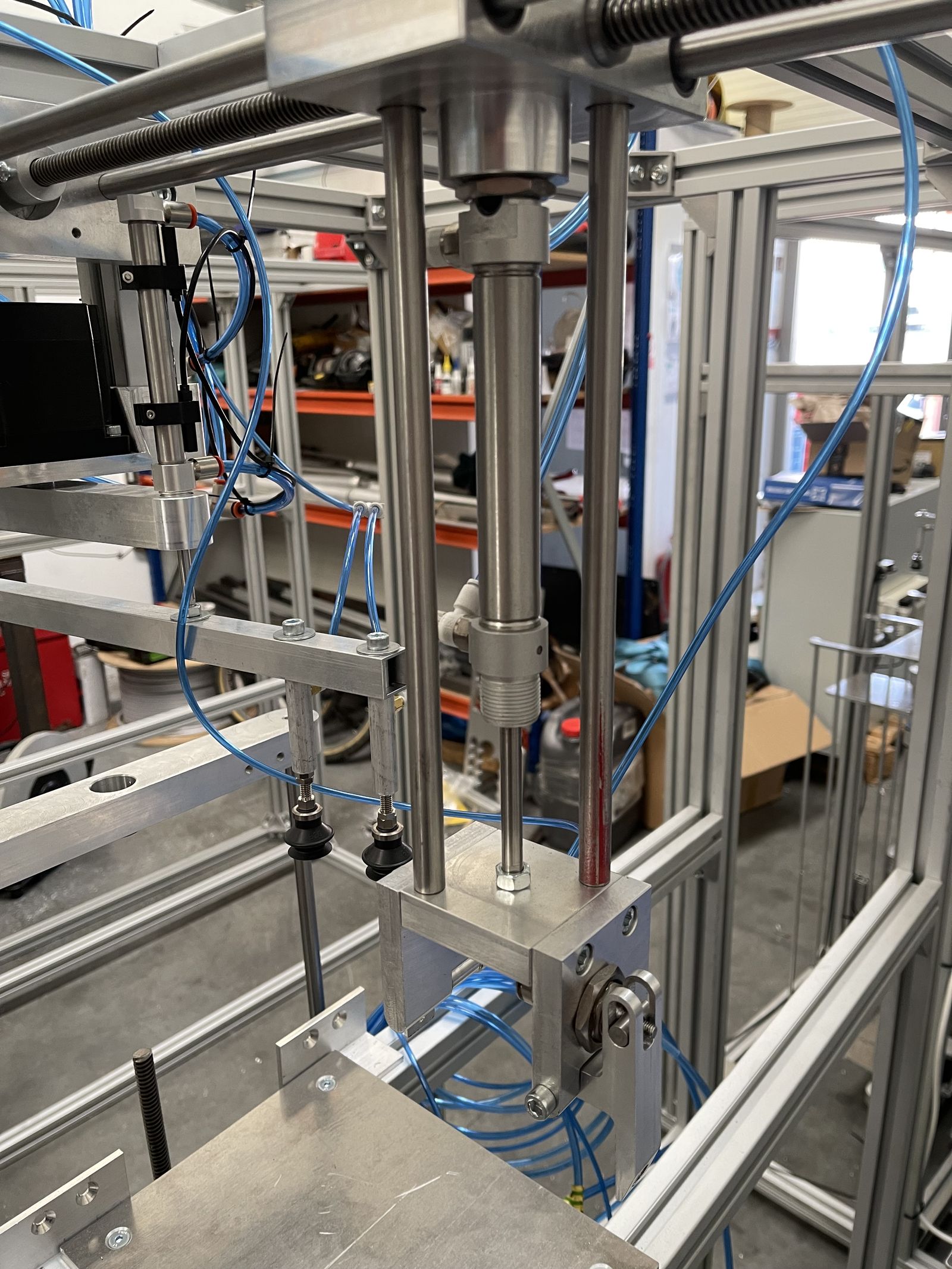
Special Purpose Machinery & Automation — Built Right Here in South Wales
From concept to commissioning, everything under one roof. CAP Engineering designs and builds bespoke machines and automation systems for manufacturers who need solutions that don't exist off the shelf.
Scroll to explore
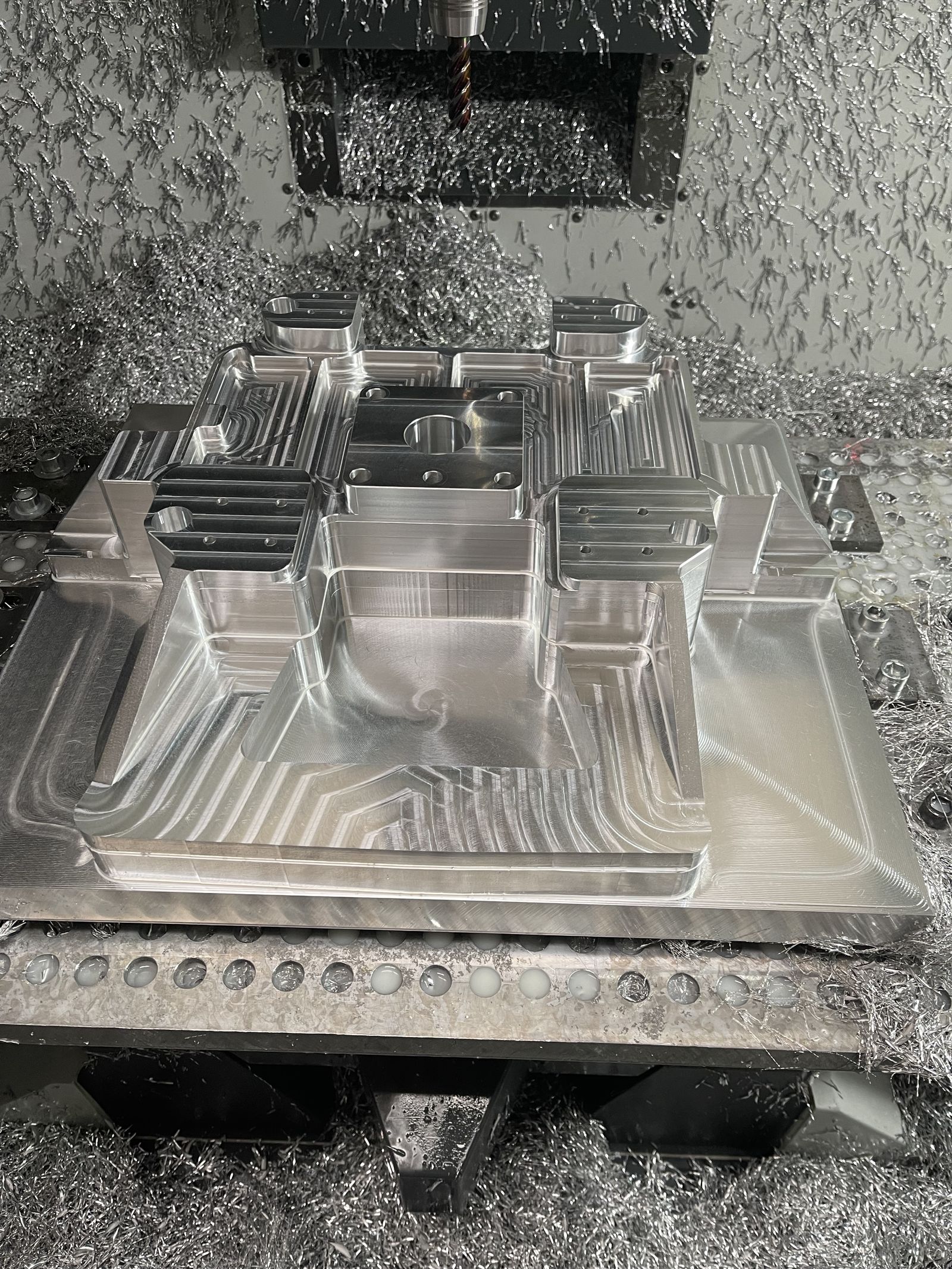
CNC 3 & 5-Axis Milling
Laser Cutting
Wire EDM
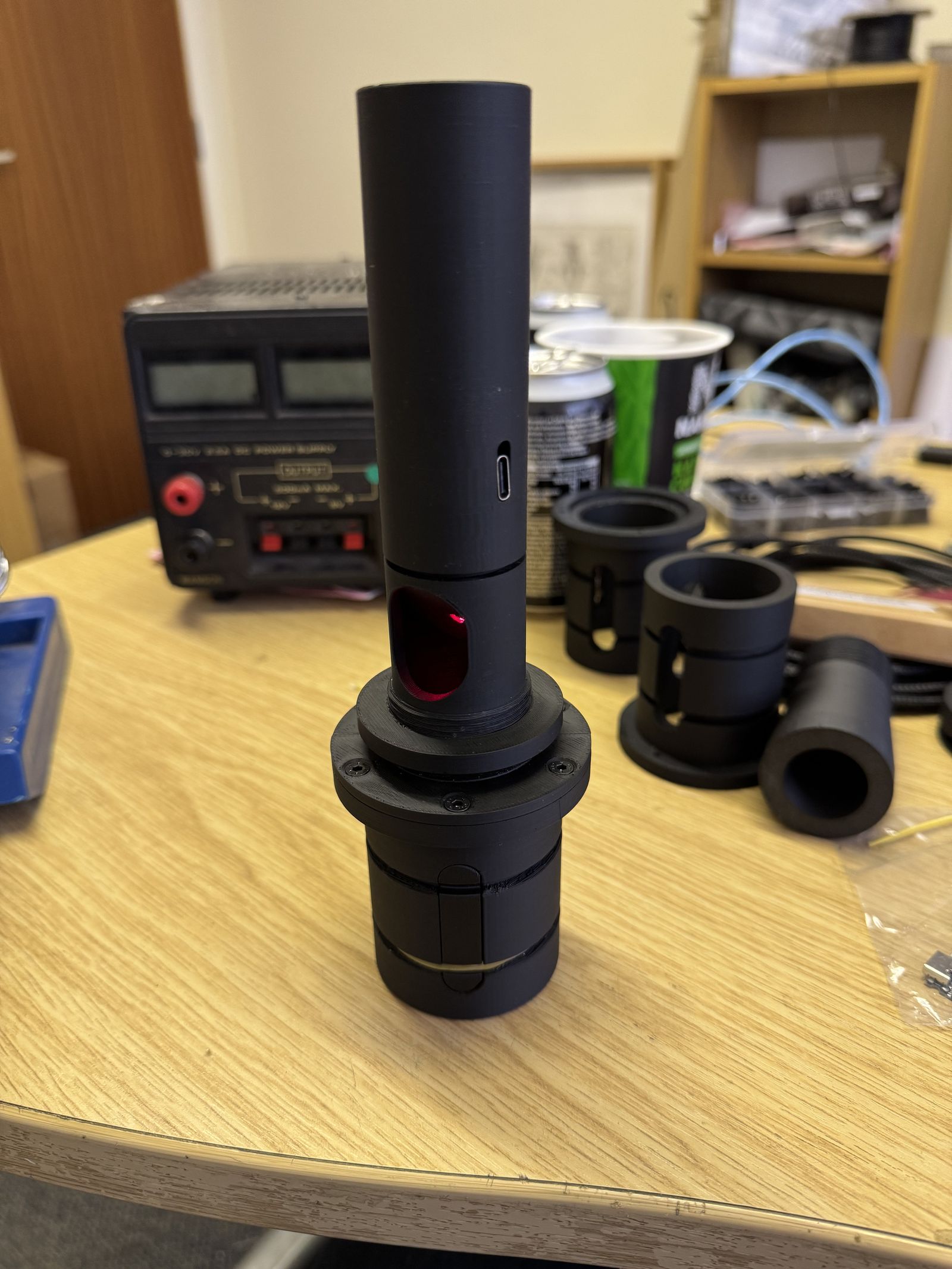
3D Printing
Mechanical & Electrical Design
Panel Building
PLC Programming
Full Assembly & Commissioning
Why Manufacturers Choose CAP
One-Stop-Shop
Design, fabrication, machining, electrical, controls, programming, assembly, and commissioning — all done in-house by our team. One point of contact, clear accountability, no sub-contractors.
Local & Accessible
Based in Bridgend, we're a short drive from manufacturers across South Wales, the Valleys, and the M4 corridor into Bristol and the South West.
Right-Sized Solutions
We specialise in projects from £20k to £100k. Big enough to deliver serious automation, small enough that you get personal attention.
Practical Problem-Solvers
Every project starts with your challenge, not our catalogue. We don't sell standard solutions — we engineer the right answer.
Who's Behind CAP
CAP Engineering was founded by Ceri in 2022. An apprenticeship-served engineer with a mechatronics background, Ceri's route into automation was an unusual one — designing and building a servo-controlled measurement rig for a cycling-specific bike fit system. That project was a turning point: taking a real-world problem, engineering a precise solution from scratch, and seeing it work.
That experience opened the door to industrial automation, where Ceri discovered a gap in the market. Smaller manufacturers — the ones with a £20k to £100k budget — were being overlooked. The big system integrators weren't interested in projects that size, and the smaller outfits often couldn't handle the full scope.
CAP was built to fill that gap: a genuine one-stop-shop where a single team handles everything from the initial concept through to a commissioned machine on your factory floor.
What We Do
Special Purpose Machinery
When your manufacturing process needs a machine that doesn't exist off the shelf, that's where we come in. Custom-designed machines built from scratch for your exact requirements. Typical range: £20k–£100k. Timeline: 8–16 weeks.
CNC Machining & Prototyping
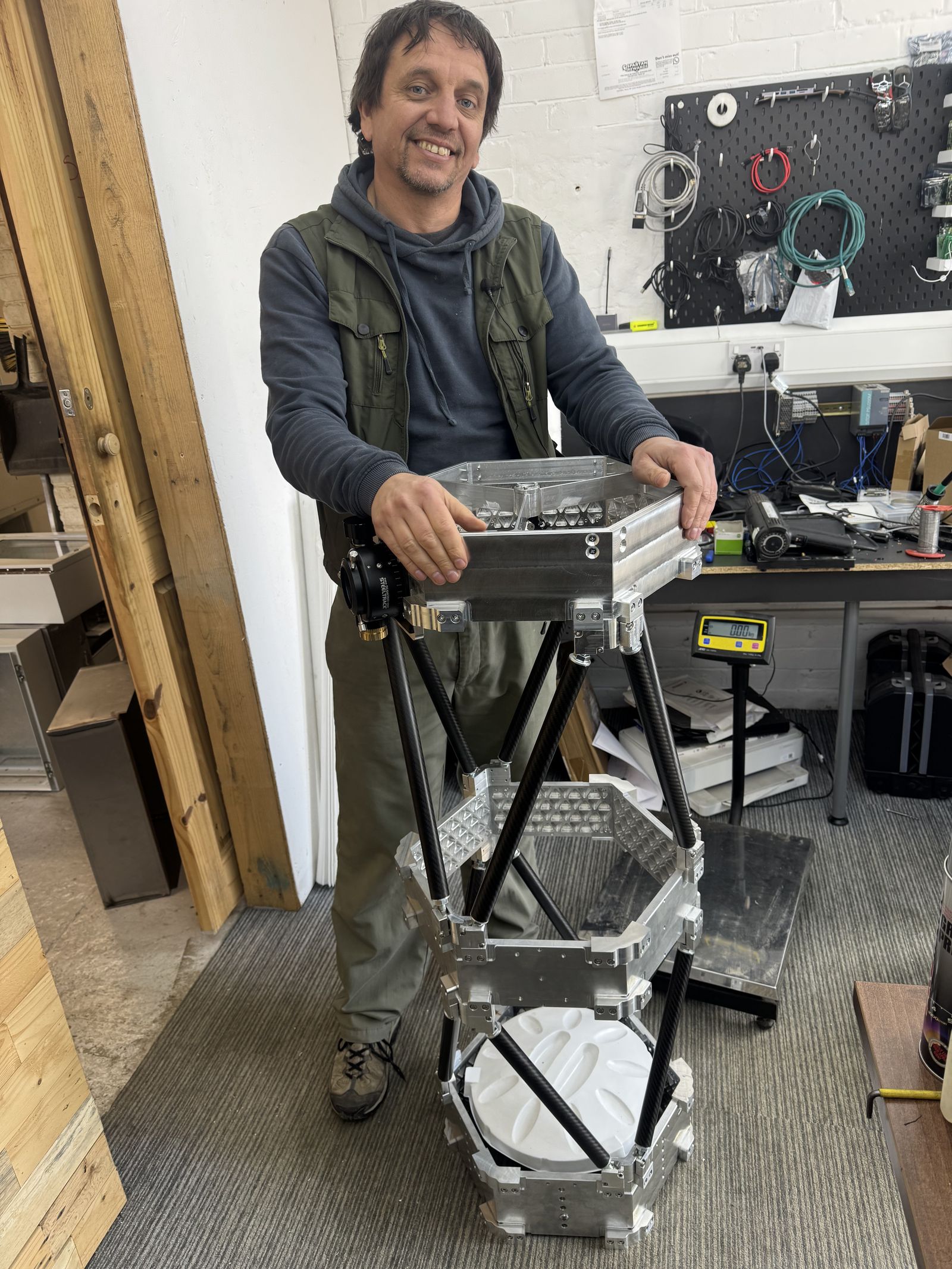
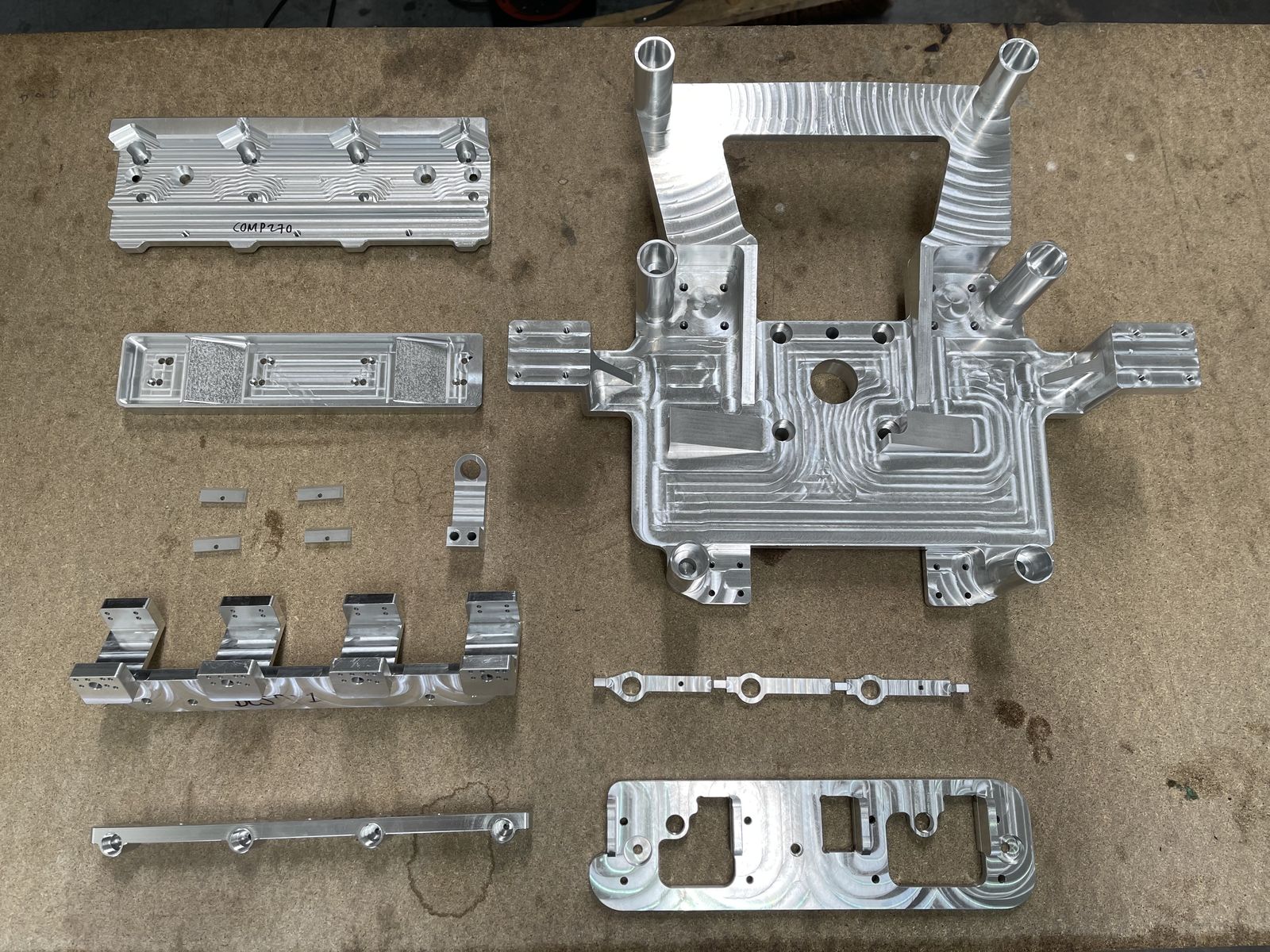
3-axis and 5-axis CNC milling, wire EDM (5-axis), laser cutting, and 3D printing in engineering plastics. One-offs to short production runs.
Automation & Controls
PLC programming, electrical panel design and build, pneumatic systems, robot integration, HMI/SCADA, and retrofit/upgrades of existing machine controls.
Our Work
Morgan Advanced Materials
Automated Carbon Insert Grinder
Mechanical DesignCNC Machining
Biotage
Filter Tip Manufacturing Cell
PLC ProgrammingVision Inspection
Nissan NMUK
Production Line Kitting Trays
CNC MillingDesign for Manufacture
American Melt Blown
Automated Filter Cartridge Leak Tester
Precision InstrumentationPressure Testing
Broadcasting Precision
Motorised Camera Winch System
Motion ControlServo Systems
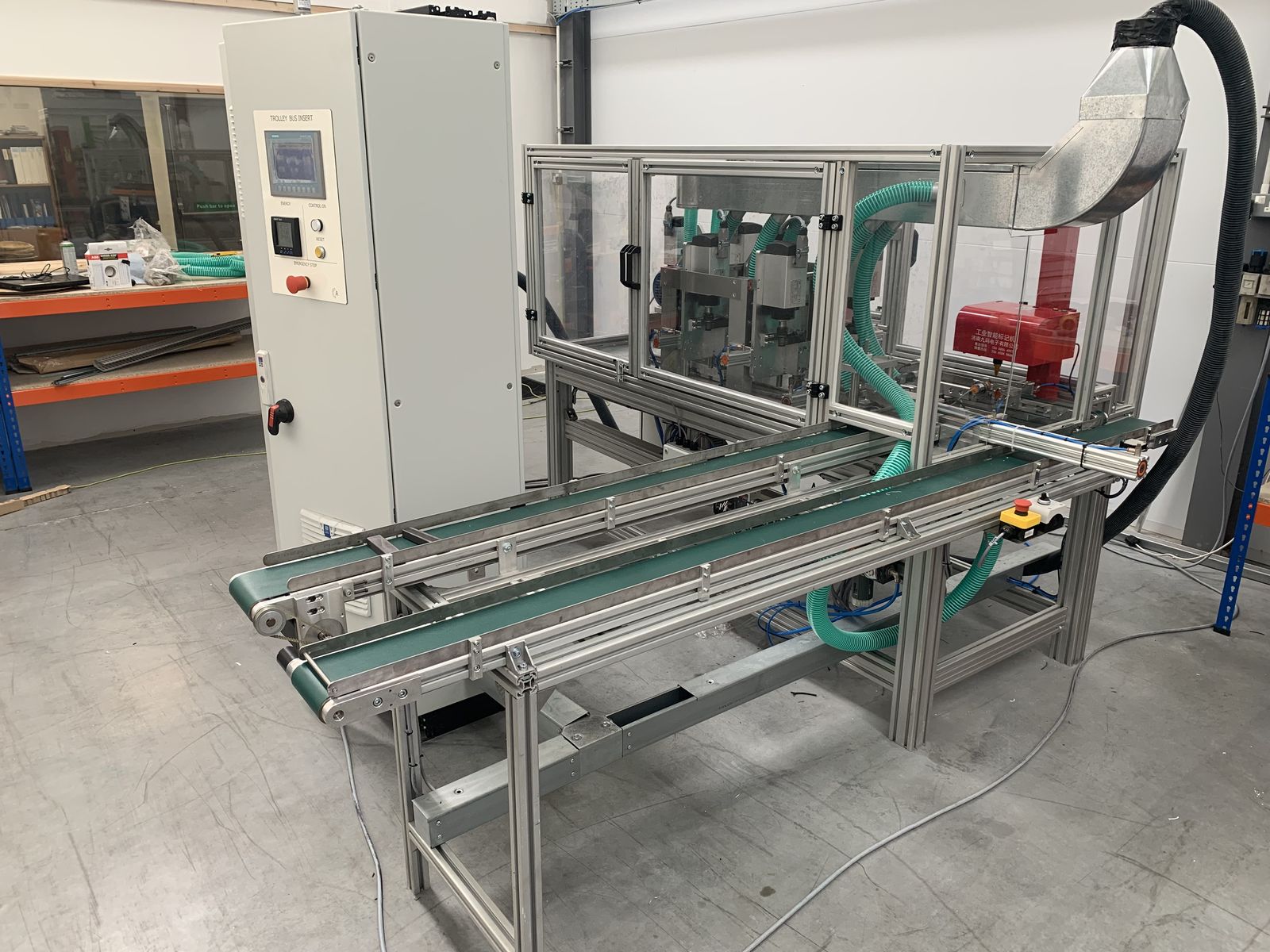
Morgan Advanced Materials — Automated Carbon Insert Grinder
A fully automatic 6-station grinding machine for metallised carbon brush inserts. Grinds multiple compound faces, cuts grooves, and applies ID markings — all in a single automated cycle. Built for trolleybus and rail pantograph current collector components.
Capabilities Delivered
Precision mechanical design for grinding and tooling
Multi-axis CNC machining of components
PLC programming for automated cycle control
Precision grinding system integration
Full commissioning and factory acceptance testing
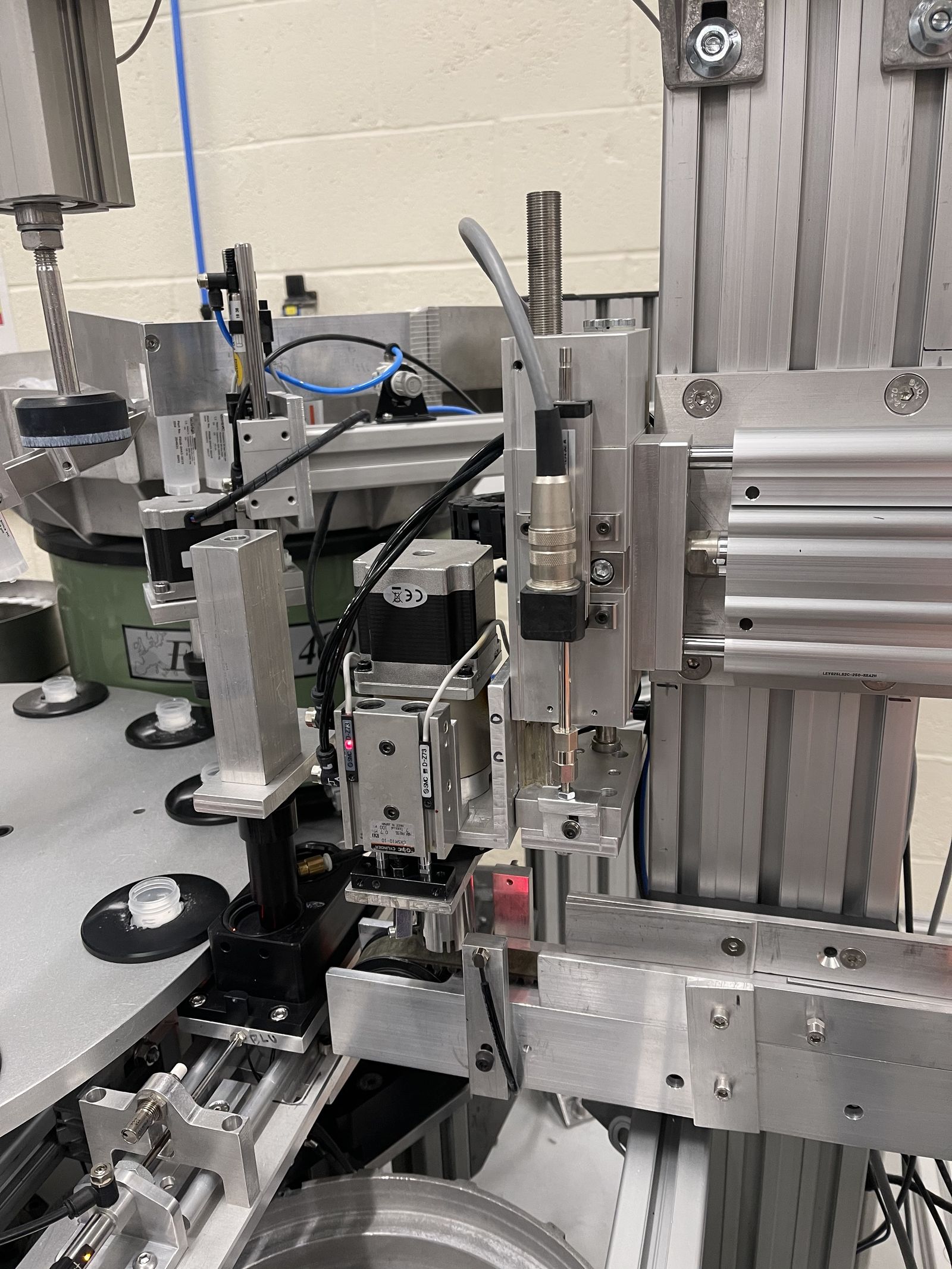
Biotage — Filter Tip Manufacturing Cell
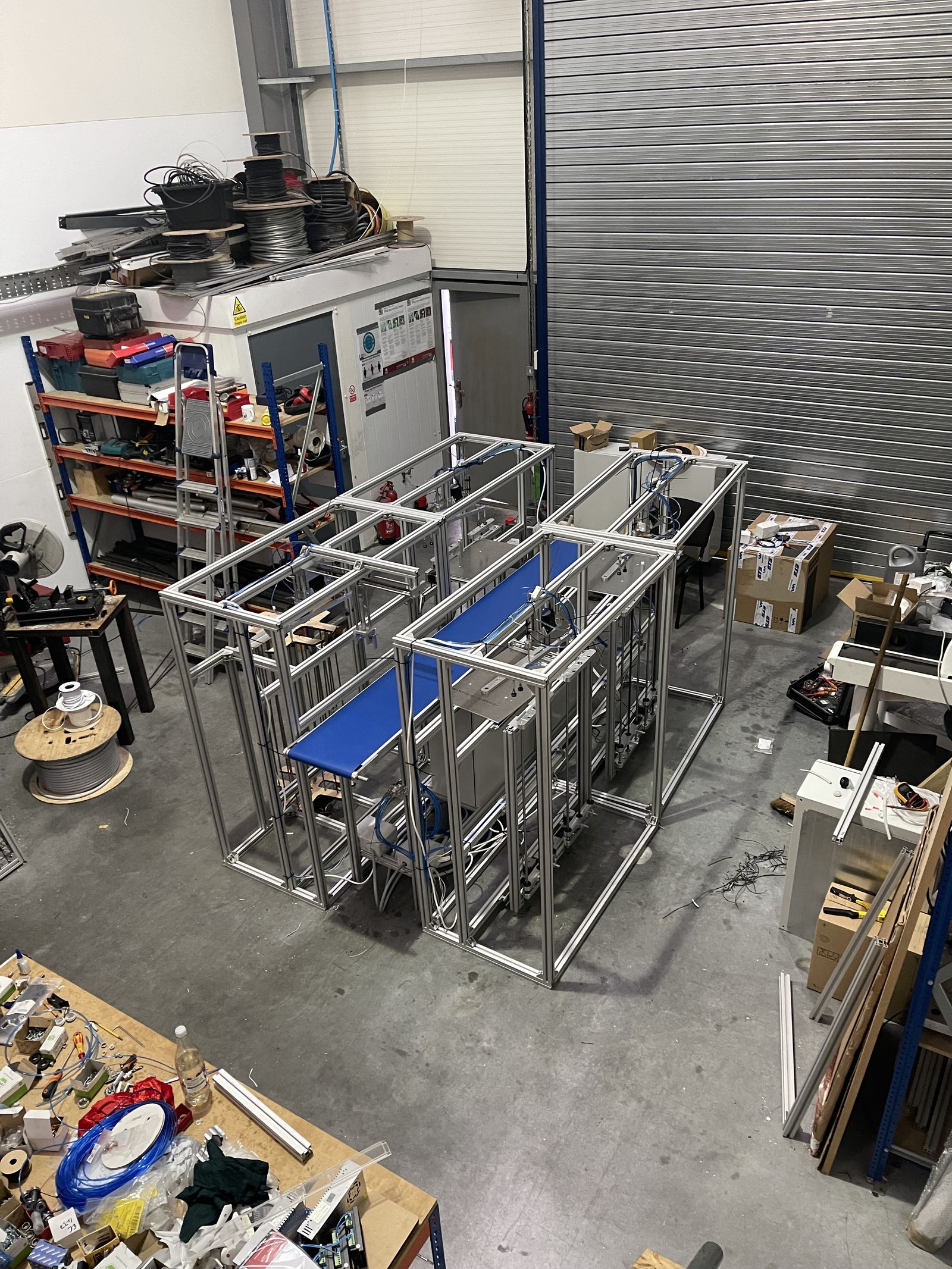
A 4-station automated manufacturing cell: precision cutting, filter mesh welding, vision inspection, and output. Fully automatic cycle for pharmaceutical-grade pipette filter tips. Machine 1 was so successful, Biotage ordered 9 more — we've now built and delivered 10 identical units.
Capabilities Delivered
Mechanical design for multi-station automation
Precision cutting and welding integration
Machine vision inspection system setup
PLC programming with advanced logic
Rapid replication and production scaling (10 units)
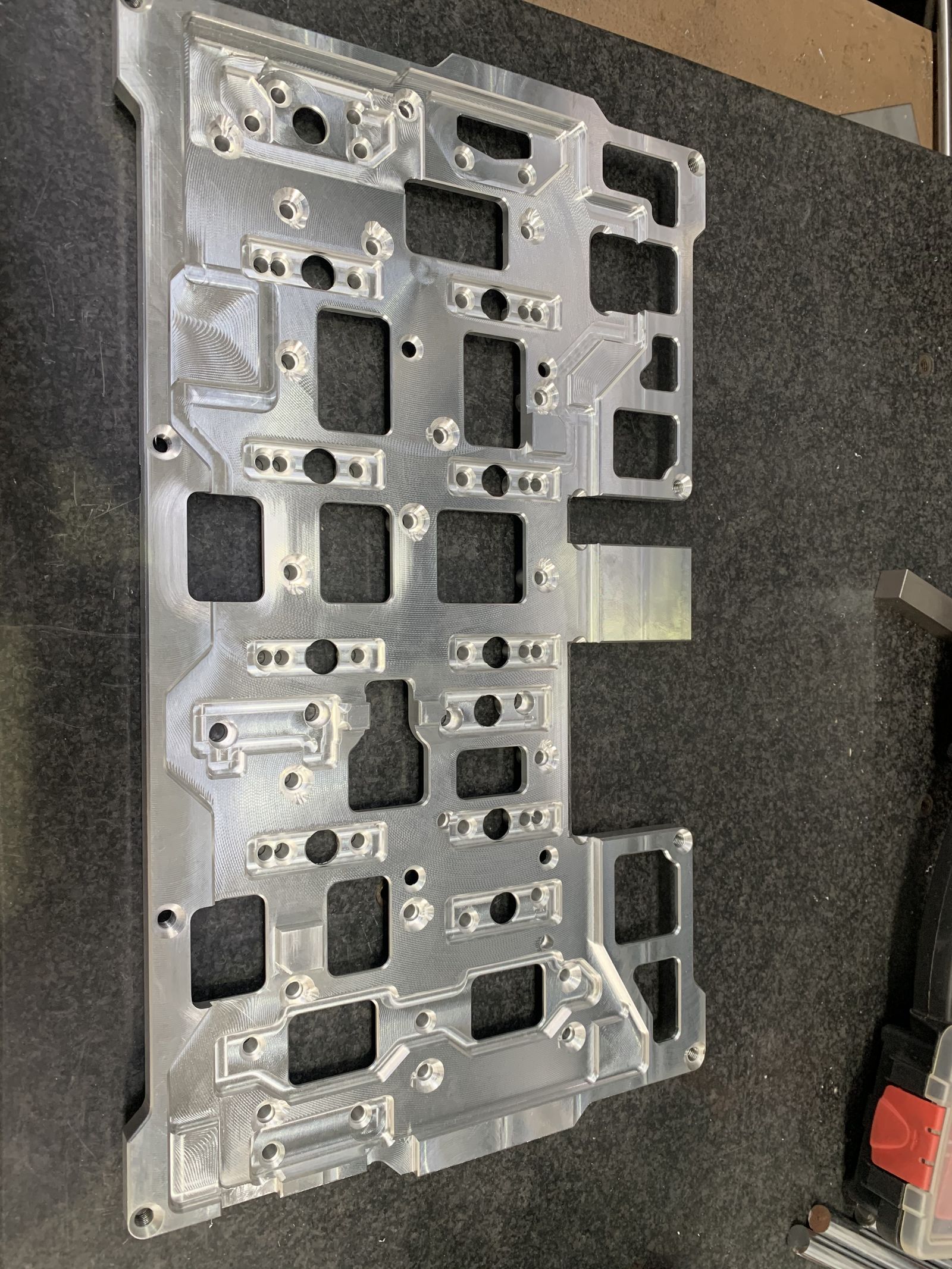
Nissan NMUK — Production Line Kitting Trays
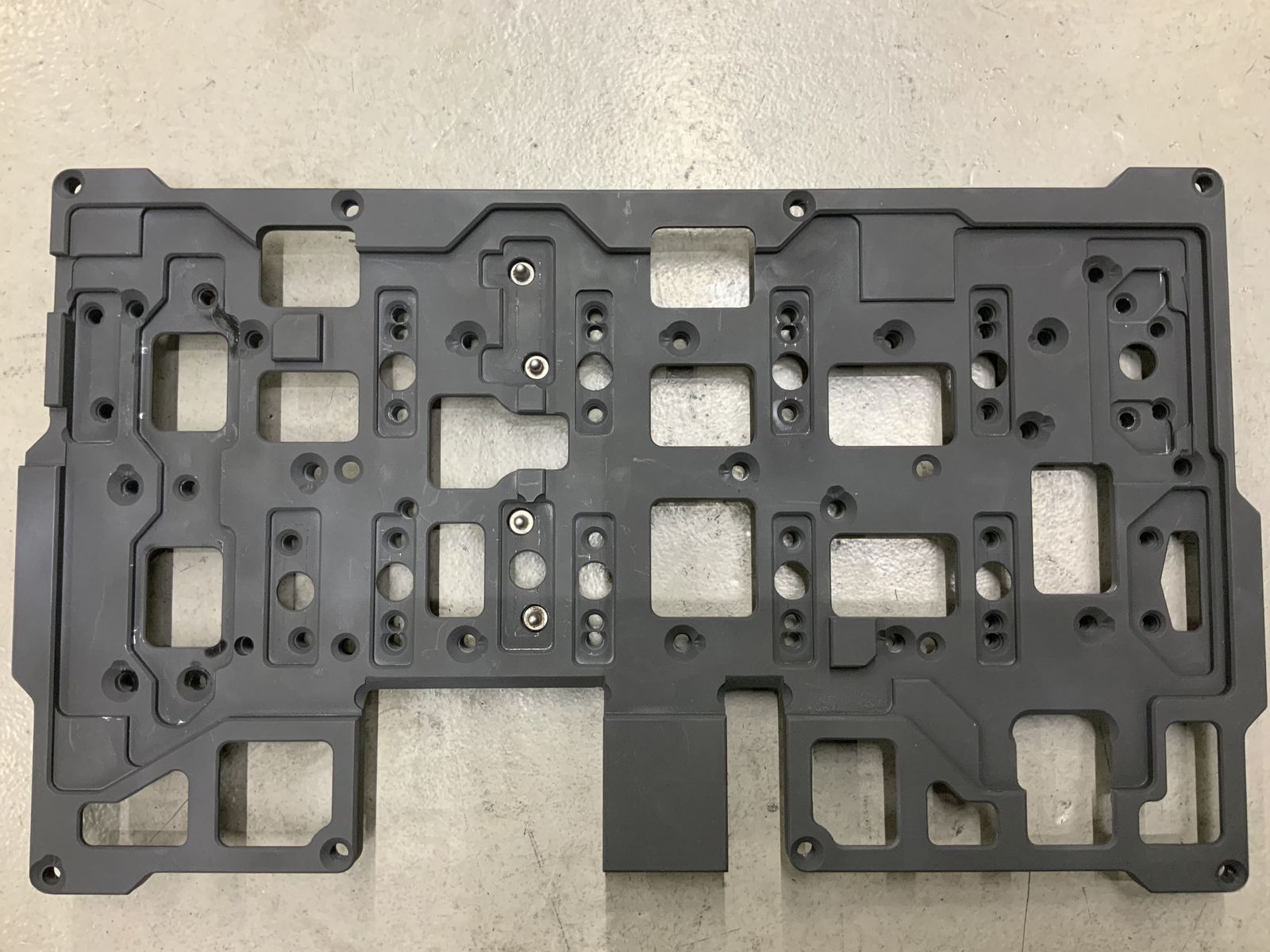
Redesigned and manufactured CNC-machined kitting trays for Nissan's engine assembly line at Sunderland. Replaced 3D printed units that were too heavy and not durable enough for high-volume automotive production. Lighter, tougher, and built to last.
Capabilities Delivered
Reverse engineering of existing designs
Design for manufacture optimisation
CNC milling and finishing
Material selection for durability
Production-ready fabrication
American Melt Blown — Automated Filter Cartridge Leak Tester
American Melt Blown manufactures premium melt-blown filter media for industrial and laboratory filtration. We built a fully automated leak testing rig that pressurises filter cartridges, measures airflow at controlled pressure differentials, and detects microscopic leaks using precision differential pressure sensors. The system includes automated handling, pass/fail ejection, and integration with their production management software for real-time quality records and traceability.
Capabilities Delivered
Precision pressure control and differential measurement systems
Load cell and sensor integration for real-time feedback
Automated material handling and test sequencing
PLC programming with data logging and traceability
Production management software integration
Broadcasting Precision — Motorised Camera Winch System
A major sports broadcasting facility needed precision overhead camera positioning for live boxing coverage. We engineered a motorised winch system featuring dual-motor synchronisation, load-cell feedback for real-time tension monitoring, variable speed servo drives, and wireless control capability. The system delivers smooth, silent camera movement along multiple axes with automated homing sequences and emergency failsafe braking.
Capabilities Delivered
Precision servo motor drive design and selection
Dual-axis synchronisation and load balancing
Load-cell integration for real-time tension feedback
Emergency braking and failsafe systems
Wireless control systems and remote operation
10+
Units Built for Biotage
6
Station Automated Grinding
3
Industry Sectors Served
100%
In-House Capability
Insights
Practical thinking on manufacturing, automation, and engineering — from the workshop floor.
Guide
What Is Special Purpose Machinery? A Plain-English Guide for Manufacturers
If you've ever thought "we need a machine that does X, but nothing on the market does exactly that" — you're thinking about special purpose machinery.
Read more →
Guide
5 Signs It's Time to Automate a Process on Your Production Line
Not every process needs automating. But if you're seeing these warning signs, a bespoke machine could transform your throughput and quality.
Read more →
Insight
3D Printing vs CNC Machining: When to Make the Switch for Production Parts
3D printing is brilliant for prototyping. But there comes a point where production demands a different manufacturing approach. Here's how to know when.
Read more →
Guide
What Is Special Purpose Machinery? A Plain-English Guide for Manufacturers
If you've ever thought "we need a machine that does X, but nothing on the market does exactly that" — you're thinking about special purpose machinery.
The Short Answer
Special purpose machinery (SPM) is equipment designed and built from scratch to perform a specific task in your manufacturing process. Unlike standard off-the-shelf machines, every aspect of an SPM is tailored to your exact requirements — your products, your tolerances, your throughput targets, and your factory layout.
Think of it as the difference between buying a suit off the rack and having one made to measure. Both work, but one fits perfectly.
When Does Special Purpose Machinery Make Sense?
Not every manufacturing challenge needs a bespoke machine. But there are situations where off-the-shelf simply won't cut it:
Your process is unique. If your product, material, or assembly sequence is specific to your business, you're unlikely to find a standard machine that handles it properly.
Quality and consistency matter. Manual processes introduce variation. A purpose-built machine removes the human variable.
You've hit a bottleneck. A targeted SPM can dramatically increase throughput without redesigning your entire process.
Labour is a challenge. Whether it's rising costs, difficulty recruiting, or dependence on a single skilled operator — automation reduces your exposure.
You need to scale. A bespoke machine lets you scale without proportionally scaling headcount.
What Does a Special Purpose Machine Look Like?
There's no standard answer — that's the whole point. But common examples include automated assembly stations, custom test rigs, handling and transfer systems, bespoke packaging machines, and process-specific machines for tasks like ultrasonic welding, adhesive dispensing, or labelling.
How Much Does It Cost?
Simple automated fixtures or test rigs: £15,000 – £30,000
Mid-complexity assembly or handling machines: £30,000 – £70,000
Full automated production cells: £70,000 – £150,000+
For most SME manufacturers, the sweet spot is £20,000 to £100,000. Most well-designed SPMs achieve payback within 12-24 months through increased throughput, reduced labour, improved quality, and lower scrap rates.
What Does the Process Look Like?
At CAP Engineering, a typical project follows these stages: understanding your challenge, concept design, detailed mechanical/electrical/controls design, build (all in-house), testing at our facility, installation and commissioning at your site, and ongoing support. The whole process typically takes 8-16 weeks from design approval.
Why "In-House" Matters
Some machine builders design in-house but sub-contract the fabrication. Others build the mechanicals but outsource the electrical and controls work. At CAP Engineering, everything happens under one roof — mechanical design, fabrication, electrical, controls, software, assembly, and commissioning. One point of contact, clear accountability, and no delays waiting for sub-contractors.
Is Special Purpose Machinery Right for You?
If you're reading this and thinking "that sounds like what we need" — it probably is. The best way to find out is a straightforward conversation about your process, your challenge, and what you're trying to achieve. No hard sell. No obligation.
5 Signs It's Time to Automate a Process on Your Production Line
Not every process needs automating. But if you're seeing these warning signs, a well-designed bespoke machine could make a significant difference to your output and consistency.
1. You're Dependent on One Person Who "Knows How to Do It"
Every manufacturing business has them — the operator who's been running a particular process for years and is the only one who can get it right consistently. They're brilliant at what they do. But what happens when they're off sick? Or they retire? If losing one person would seriously disrupt a process, that's a red flag. A purpose-built machine captures that knowledge in engineering — it runs the same way every time, regardless of who presses the start button.
2. Quality Varies Depending on Who's on Shift
If your Monday morning output looks different to your Friday afternoon output, the process has too much human variability built in. This isn't a criticism of your people — it's the nature of manual work. Fatigue, technique differences, and simple human inconsistency all add up. An automated process removes that variation. Every cycle is identical. Every part comes out the same. That's especially critical if you're supplying into industries like automotive, pharma, or aerospace where traceability and consistency are non-negotiable.
3. One Station Is Holding Up Everything Downstream
Bottlenecks are expensive. Not just because the slow station limits your throughput, but because everything after it — assembly, packing, dispatch — is waiting. If you've already optimised the process as far as you can with existing equipment and people, a targeted automation solution at that specific point can unlock capacity across the whole line. You don't need to automate everything. Sometimes one well-designed machine at the right point in your process transforms your total output.
4. You're Turning Down Orders Because You Can't Produce Fast Enough
This is the one that really stings. You've got the customer, you've got the order, but you can't physically make enough product to fulfil it. Adding another shift or more operators might help short-term, but it's expensive and doesn't scale well. If demand is consistently outstripping your capacity on a specific process, that's a strong signal that automation would pay for itself quickly — often within 12 to 18 months.
5. The Process Involves Repetitive Manual Handling
Repetitive manual tasks aren't just slow — they're a health and safety risk. Strain injuries, fatigue, and the general wear of doing the same physical motion thousands of times a day all take their toll on your team. Automating these tasks isn't just an efficiency play — it's about looking after your people and redeploying them to work that's more skilled and more rewarding. A machine handles the repetitive stuff; your people handle the thinking.
What's the Next Step?
If any of those rang a bell, it's worth having a conversation about what's possible. Not every automation project needs a six-figure budget — a well-designed bespoke machine in the £20,000 to £80,000 range can often solve a specific problem and pay for itself inside two years. The best starting point is a straightforward chat about your process and what's causing you pain. No obligation, no hard sell.
3D Printing vs CNC Machining: When to Make the Switch for Production Parts
3D printing has transformed how engineers prototype and validate designs. But when it comes to production, there's often a point where additive manufacturing needs to hand over to conventional processes. Here's how to know when you've reached it.
The Role of 3D Printing
3D printing is genuinely brilliant for certain applications. Rapid prototyping, proof-of-concept models, design validation, low-volume complex geometries — additive manufacturing handles all of these superbly. The ability to go from CAD model to physical part in hours rather than weeks has changed the pace of product development across every engineering sector.
The issue arises when 3D printed parts stay in the process longer than they should — when prototyping materials and methods get carried into full production without questioning whether they're still the right choice.
Where 3D Printing Starts to Struggle
There are specific scenarios where additive manufacturing hits its limits as a production method. Parts that see constant physical handling, cycling, or mechanical wear tend to degrade when printed in typical polymers. If you need more than roughly 20 identical parts, the per-unit cost and time of printing rarely competes with machining. Parts operating in environments with vibration, impact, or heat often need the material properties that come with machined metals or engineering plastics. And where tight dimensional tolerances are required consistently across a batch, CNC machining delivers repeatability that most 3D printing processes can't match.
A Real-World Example
We recently worked with a major automotive manufacturer whose engine assembly line used kitting trays to carry parts alongside each engine pallet. The trays had originally been 3D printed, which worked well for proving the concept and getting the design right. But in a production environment running hundreds of thousands of engines a year, the printed trays were too heavy and wearing out too quickly.
We redesigned the tray from scratch for CNC machining and fabrication. Same part locations, same pallet interface, completely different manufacturing approach. The result was lighter, dramatically more durable, and designed as a kit of parts so individual sections could be swapped if damaged rather than scrapping the whole tray.
A Practical Rule of Thumb
Here's a straightforward framework for deciding when to make the switch from additive to conventional manufacturing:
Prototyping and validation (1–5 parts): 3D print. It's faster and cheaper at this stage.
Pre-production testing (5–20 parts): Could go either way. Consider the operating environment.
Production (20+ parts or demanding conditions): CNC machining or fabrication will almost certainly give you a better part at a better per-unit cost.
The best engineering uses the right manufacturing process for the right stage of the product lifecycle. Prototype in plastic, produce in metal.
How CAP Engineering Can Help
At CAP Engineering, we handle both ends of this transition. We use 3D printing in-house for prototyping and design validation, and we have full CNC machining and fabrication capability for production parts. That means we can take a concept from first prototype through to production-ready components — all under one roof, with no gap in the middle where the design gets lost in translation between suppliers.
If you've got parts that started life as 3D prints and might be ready for the switch to conventional manufacture, we're happy to take a look and advise.